
Sophisticated leak detection for pipeline networks.
Sophisticated leak detection for pipeline networks.
Sophisticated leak detection for pipeline networks.
Detect leaks with confidence across complex, dynamic systems — even when flow splits, meter quality varies, and conditions constantly change.
Detect leaks with confidence across complex, dynamic systems — even when flow splits, meter quality varies, and conditions constantly change.
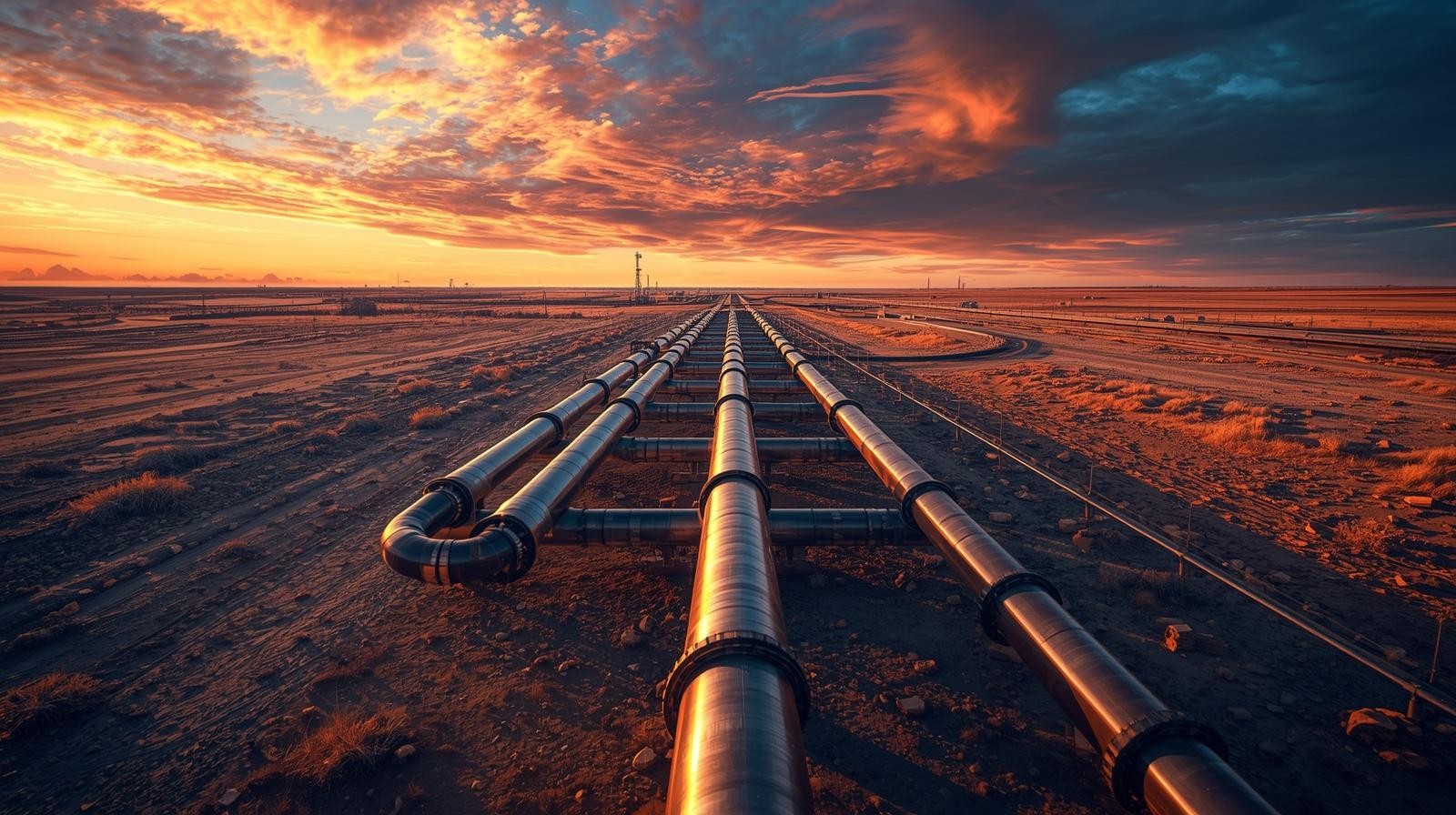
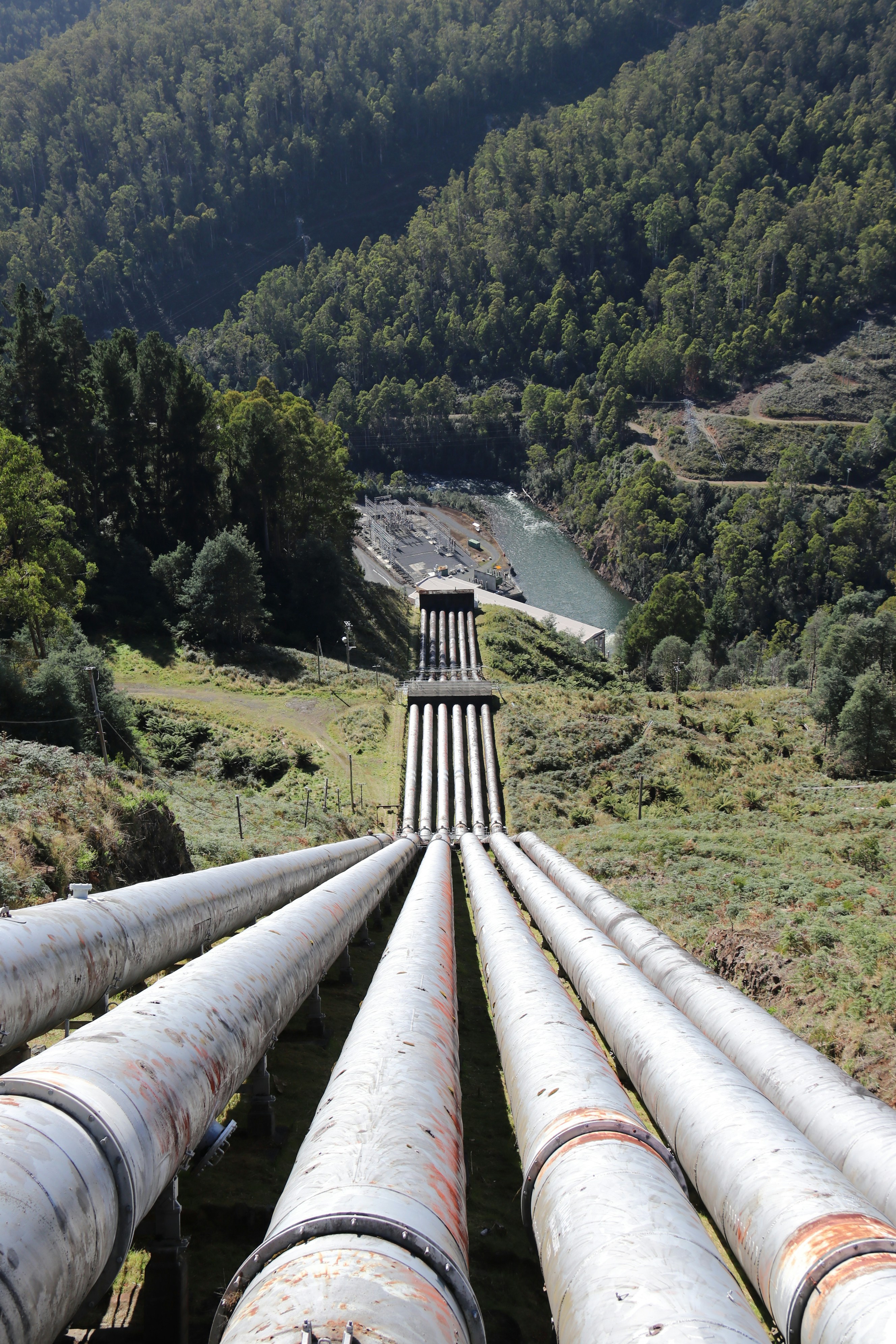
Network leak detection brings its own set of challenges.
01
Shifting flow makes leak signals inconsistent.
01
Shifting flow makes leak signals inconsistent.
02
Meters often disagree, introducing drift and conflicting data.
02
Meters often disagree, introducing drift and conflicting data.
03
Leaks in one segment trigger pressure changes in others.
03
Leaks in one segment trigger pressure changes in others.
Intelligent, layered detection built for complex networks.
Intelligent, layered detection built for complex networks.
Intelligent, layered detection built for complex networks.
Pipewise fuses real-time modeling, network-aware filtering, and adaptive intelligence to detect leaks early and with high confidence.
Pipewise fuses real-time modeling, network-aware filtering, and adaptive intelligence to detect leaks early and with high confidence.
Pipewise fuses real-time modeling, network-aware filtering, and adaptive intelligence to detect leaks early and with high confidence.
Core monitoring
Network-wide Computational Pipeline Monitoring (CPM) using compensated volume balance across branches and laterals.
3-4 weeks
Core monitoring
01
Core monitoring
Network-wide Computational Pipeline Monitoring (CPM) using compensated volume balance across branches and laterals.
3-4 weeks
Core monitoring
01
Core monitoring
Network-wide Computational Pipeline Monitoring (CPM) using compensated volume balance across branches and laterals.
3-4 weeks
Core monitoring
01
Network-aware filtering and leak localization
Filters shifting flow, meter drift, and transients — while estimating leak location.
3-4 weeks

Network-aware filtering and leak localization
02
Network-aware filtering and leak localization
Filters shifting flow, meter drift, and transients — while estimating leak location.
3-4 weeks
Network-aware filtering and leak localization
02
Network-aware filtering and leak localization
Filters shifting flow, meter drift, and transients — while estimating leak location.
3-4 weeks
Network-aware filtering and leak localization
02
Specialized reliability modes
Consistent detection during well switching, pump cycling, batching, tank transfers, and unstable hydraulics.
3-4 weeks

Specialized reliability modes
03
Specialized reliability modes
Consistent detection during well switching, pump cycling, batching, tank transfers, and unstable hydraulics.
3-4 weeks
Specialized reliability modes
03
Specialized reliability modes
Consistent detection during well switching, pump cycling, batching, tank transfers, and unstable hydraulics.
3-4 weeks
Specialized reliability modes
03
Adaptive intelligence
Learns real network behavior to cut false alarms and sharpen sensitivity across every node.
3-4 weeks

Adaptive intelligence
04
Adaptive intelligence
Learns real network behavior to cut false alarms and sharpen sensitivity across every node.
3-4 weeks
Adaptive intelligence
04
Adaptive intelligence
Learns real network behavior to cut false alarms and sharpen sensitivity across every node.
3-4 weeks
Adaptive intelligence
04

Performance built for dynamic, multi-node operations.
Confidence you can rely on across every node.
Detect pinhole leaks across every segment.
Proven sensitivity at 0.5% of flow, even with variable routing and rate changes.
Detect pinhole leaks across every segment.
Proven sensitivity at 0.5% of flow, even with variable routing and rate changes.
Know where to respond first, every time.
Leak zones narrowed to 1–2 miles (2–3 km) across complex topologies.
Low false alarms in changing hydraulics.
Fewer than 2 false alarms per month, reducing control-room fatigue.
Compliant, audit-ready by design.
Aligned with API RP 1130/1175, CSA Z662 Annex E, and PHMSA 49 CFR 195.
Validated results across complex pipeline networks
Validated results across complex pipeline networks
'Down to' detection rate (flow)
Average time to detection (min)
'Within' leak localization (miles)
'Within' leak localization (miles)
Number of false alarms per month

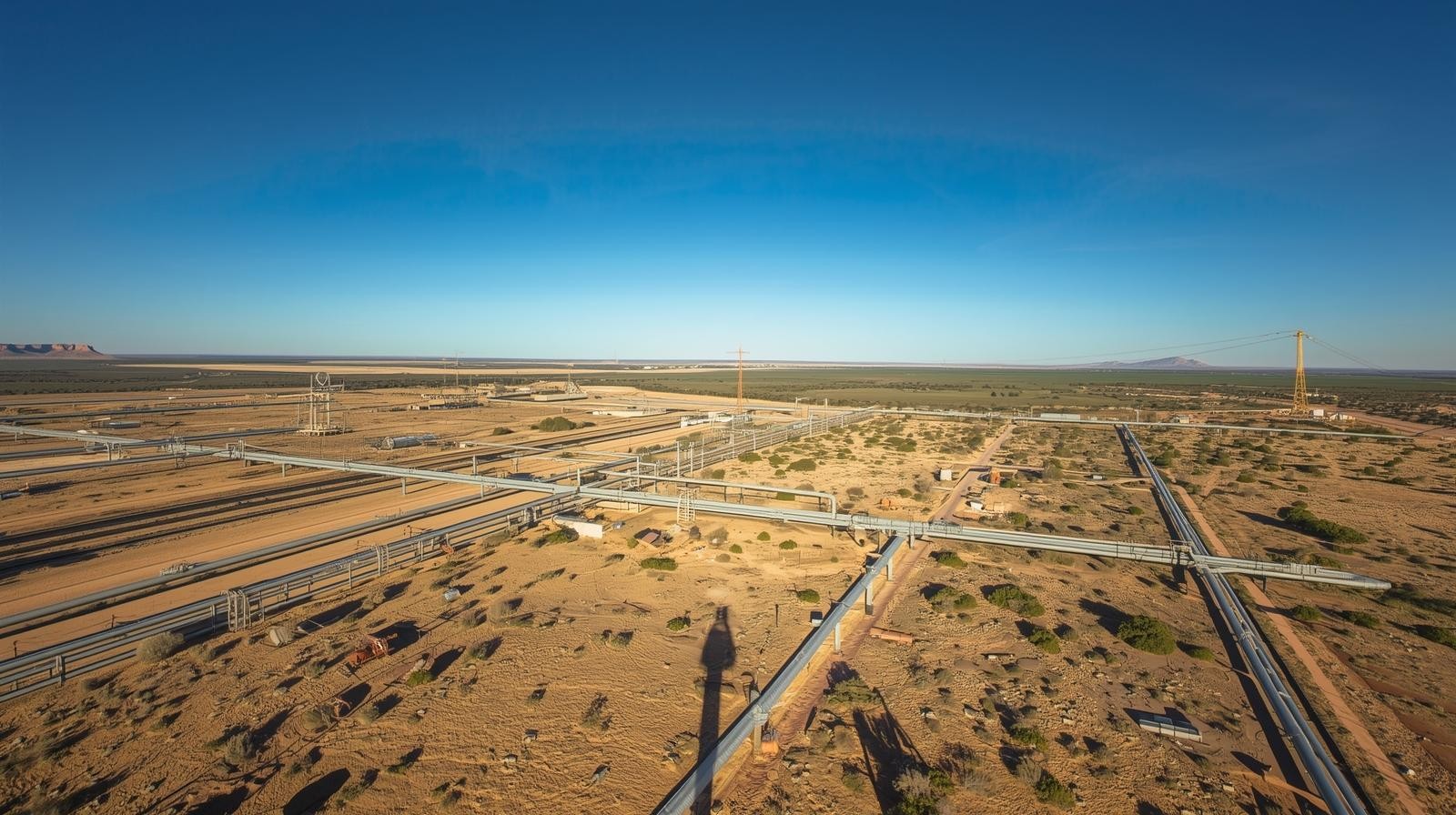

Pipeline intelligence that strengthens daily operations.
Pipewise’s smart monitoring tools enhance flow stability, pump efficiency, batching, cavitation detection, meter performance, and pressure analysis across complex networks.
Pipeline intelligence that strengthens daily operations.
Pipewise’s smart monitoring tools enhance flow stability, pump efficiency, batching, cavitation detection, meter performance, and pressure analysis across complex networks.
Pipeline intelligence that strengthens daily operations.
Pipewise’s smart monitoring tools enhance flow stability, pump efficiency, batching, cavitation detection, meter performance, and pressure analysis across complex networks.
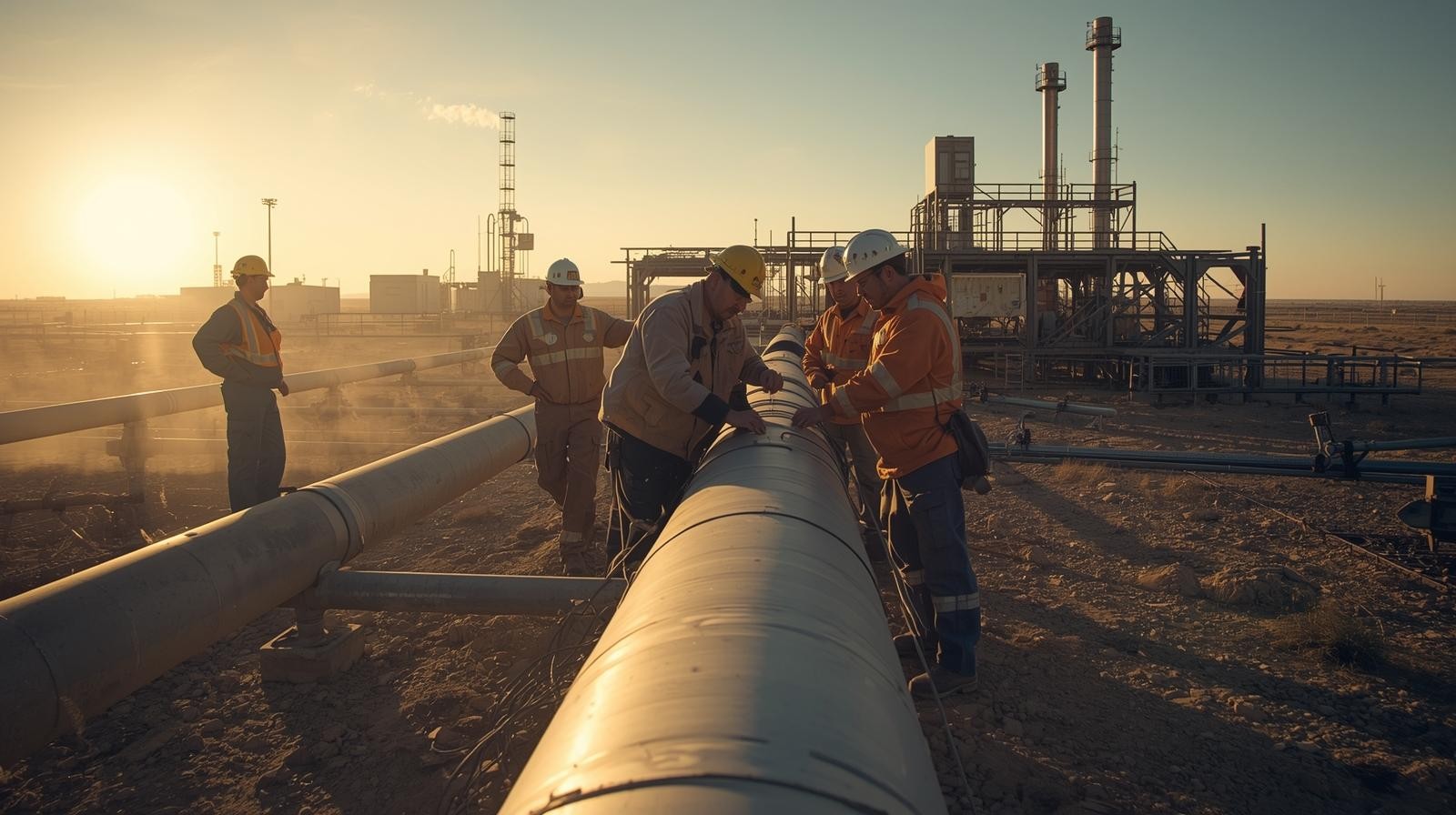
Expert and prompt support across every node.
Pipewise performs system health checks, tuning, and optimization to ensure your network detection stays reliable, no matter how conditions change.
Expert and prompt support across every node.
Pipewise performs system health checks, tuning, and optimization to ensure your network detection stays reliable, no matter how conditions change.
Expert and prompt support across every node.
Pipewise performs system health checks, tuning, and optimization to ensure your network detection stays reliable, no matter how conditions change.
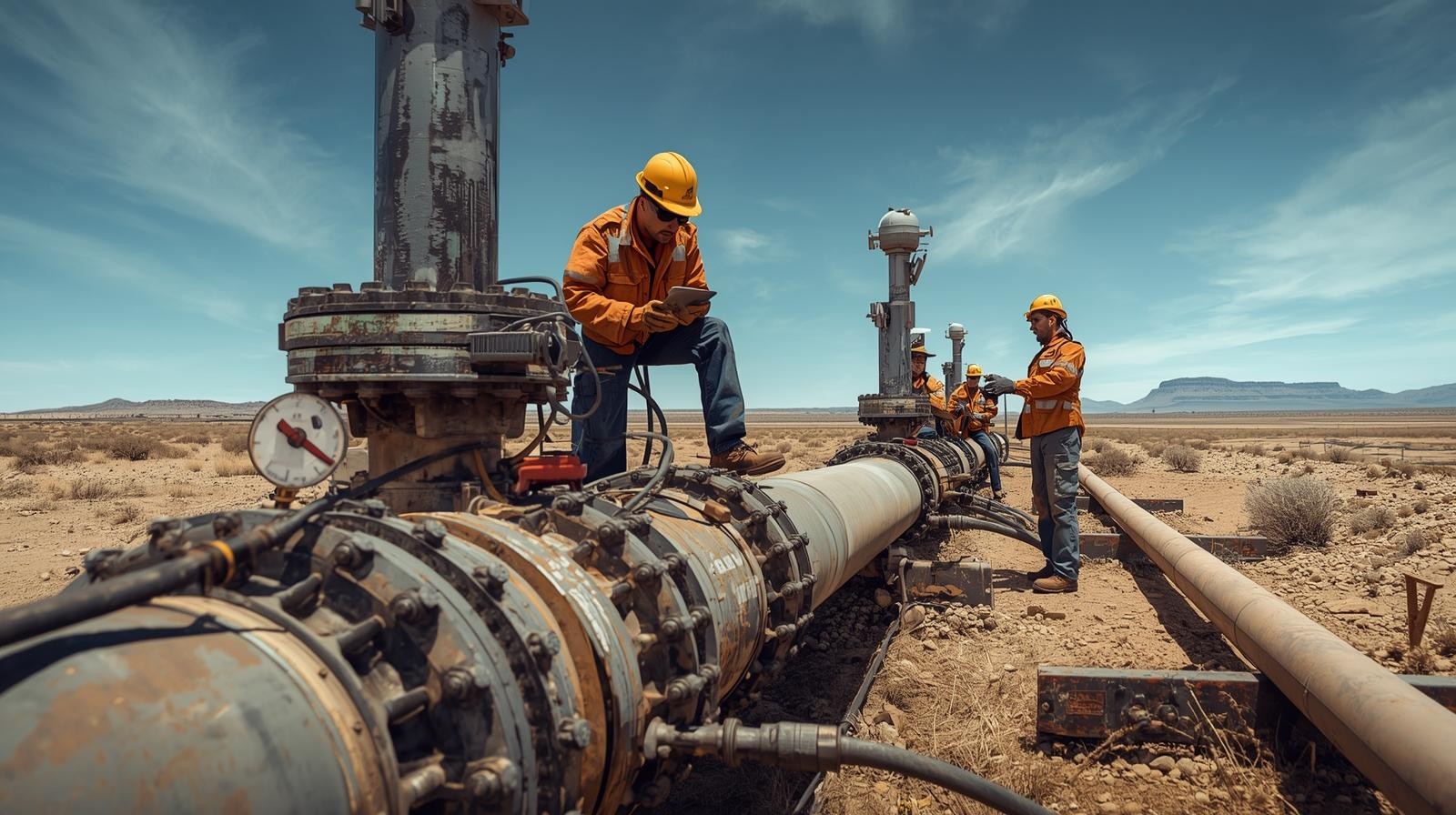
Operational Assurance Consulting
From leak detection audits, compliance readiness, network modeling, and meter optimization, Pipewise provides guidance to strengthen program integrity, performance, and audit readiness.
Operational Assurance Consulting
From leak detection audits, compliance readiness, network modeling, and meter optimization, Pipewise provides guidance to strengthen program integrity, performance, and audit readiness.
Operational Assurance Consulting
From leak detection audits, compliance readiness, network modeling, and meter optimization, Pipewise provides guidance to strengthen program integrity, performance, and audit readiness.
What’s the cost of a leak on your multi-node network?
What’s the cost of a leak on your multi-node network?
Get a customized assessment showing how faster detection reduces product loss, downtime, and system-wide operational exposure.
Get a customized assessment showing how faster detection reduces product loss, downtime, and system-wide operational exposure.
FAQs
FAQs
FAQs
Here’s what you need to know about our Multi-node Network leak detection offering.

Traditional systems assume stable flow paths and consistent meter behavior. In multi-node networks, flow routinely splits, reroutes, or changes direction as wells, pumps, and facilities cycle. These normal operating changes often appear as leaks to basic line balance systems, leading to false alarms, or they mask small leaks entirely. VBx was designed to handle this network behavior rather than treating it as noise.
VBx evaluates the network as a system rather than isolated segments. Network-aware statistical logic looks for imbalance patterns that persist across time and nodes, indicating a leak versus short-term redistribution caused by operational changes. This allows VBx to stay sensitive to leaks without alarming every time flow routing changes.
Yes. Multi-node networks often include a mix of custody meters, older turbine meters, and segments with limited instrumentation. VBx accounts for meter uncertainty and applies appropriate weighting across the network to support reliable leak detection when data quality varies between nodes. While VBx does not combine pressure-only and flow-only measurements within the same pipeline segment, it is commonly deployed across networks where different segments are instrumented differently and designed to operate effectively in imperfect, real-world conditions.
On complex networks, VBx provides zone-level or segment-level localization, helping operators prioritize response to the most likely area of concern. Localization is intended to reduce search scope and response time, not to pinpoint an exact weld or fitting, which aligns with how networked pipelines are inspected in practice.
Minimal. VBx uses your existing SCADA and communications, no new hardware or trenching required.
Traditional systems assume stable flow paths and consistent meter behavior. In multi-node networks, flow routinely splits, reroutes, or changes direction as wells, pumps, and facilities cycle. These normal operating changes often appear as leaks to basic line balance systems, leading to false alarms, or they mask small leaks entirely. VBx was designed to handle this network behavior rather than treating it as noise.
VBx evaluates the network as a system rather than isolated segments. Network-aware statistical logic looks for imbalance patterns that persist across time and nodes, indicating a leak versus short-term redistribution caused by operational changes. This allows VBx to stay sensitive to leaks without alarming every time flow routing changes.
Yes. Multi-node networks often include a mix of custody meters, older turbine meters, and segments with limited instrumentation. VBx accounts for meter uncertainty and applies appropriate weighting across the network to support reliable leak detection when data quality varies between nodes. While VBx does not combine pressure-only and flow-only measurements within the same pipeline segment, it is commonly deployed across networks where different segments are instrumented differently and designed to operate effectively in imperfect, real-world conditions.
On complex networks, VBx provides zone-level or segment-level localization, helping operators prioritize response to the most likely area of concern. Localization is intended to reduce search scope and response time, not to pinpoint an exact weld or fitting, which aligns with how networked pipelines are inspected in practice.
Minimal. VBx uses your existing SCADA and communications, no new hardware or trenching required.
Traditional systems assume stable flow paths and consistent meter behavior. In multi-node networks, flow routinely splits, reroutes, or changes direction as wells, pumps, and facilities cycle. These normal operating changes often appear as leaks to basic line balance systems, leading to false alarms, or they mask small leaks entirely. VBx was designed to handle this network behavior rather than treating it as noise.
VBx evaluates the network as a system rather than isolated segments. Network-aware statistical logic looks for imbalance patterns that persist across time and nodes, indicating a leak versus short-term redistribution caused by operational changes. This allows VBx to stay sensitive to leaks without alarming every time flow routing changes.
Yes. Multi-node networks often include a mix of custody meters, older turbine meters, and segments with limited instrumentation. VBx accounts for meter uncertainty and applies appropriate weighting across the network to support reliable leak detection when data quality varies between nodes. While VBx does not combine pressure-only and flow-only measurements within the same pipeline segment, it is commonly deployed across networks where different segments are instrumented differently and designed to operate effectively in imperfect, real-world conditions.
On complex networks, VBx provides zone-level or segment-level localization, helping operators prioritize response to the most likely area of concern. Localization is intended to reduce search scope and response time, not to pinpoint an exact weld or fitting, which aligns with how networked pipelines are inspected in practice.
Minimal. VBx uses your existing SCADA and communications, no new hardware or trenching required.
Bring clarity to your pipeline network.
Stop chasing false alarms, sorting out conflicting meters, and guessing where to respond. Pipewise delivers confident, low-noise detection across every branch, every node, every condition.
Bring clarity to your pipeline network.
Stop chasing false alarms, sorting out conflicting meters, and guessing where to respond. Pipewise delivers confident, low-noise detection across every branch, every node, every condition.
Bring clarity to your pipeline network.
Stop chasing false alarms, sorting out conflicting meters, and guessing where to respond. Pipewise delivers confident, low-noise detection across every branch, every node, every condition.