
Leak detection built for unmetered stub lines and laterals.
Leak detection built for unmetered stub lines and laterals.
Leak detection built for unmetered stub lines and laterals.
Protect short, unmetered assets with autonomous, ML-driven detection that delivers real-time clarity. No meters required.
Protect short, unmetered assets with autonomous, ML-driven detection that delivers real-time clarity. No meters required.
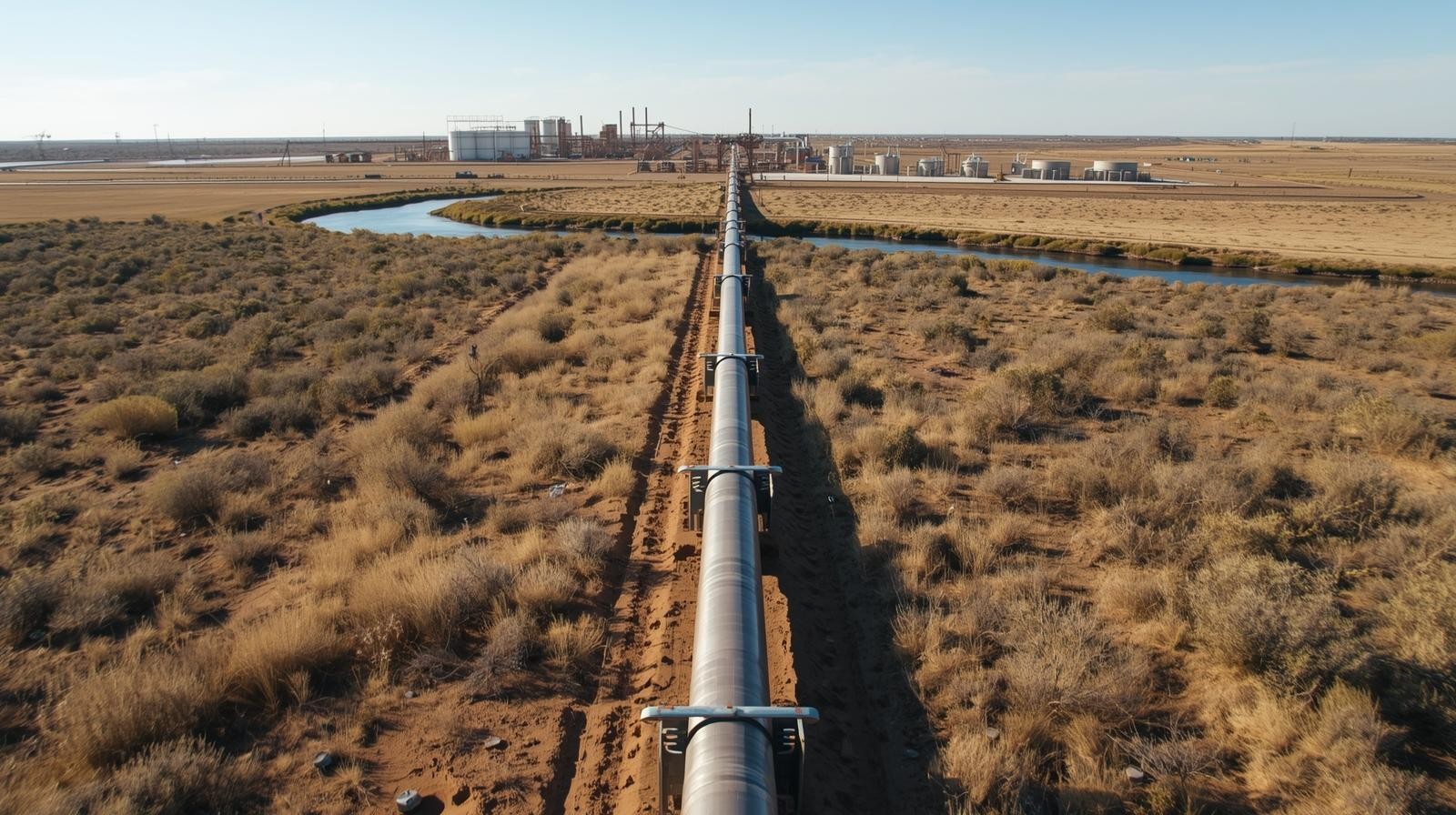

Short lines are often the least monitored, and the most exposed.
01
Expensive to meter, leaving operators with little to no visibility.
01
Expensive to meter, leaving operators with little to no visibility.
02
Many laterals aren’t fully in the operator’s control, but the liability still is.
02
Many laterals aren’t fully in the operator’s control, but the liability still is.
03
Remote locations make power, comms, and monitoring tough and costly to install.
03
Remote locations make power, comms, and monitoring tough and costly to install.
Intelligent, autonomous detection built for unmetered assets.
Intelligent, autonomous detection built for unmetered assets.
Intelligent, autonomous detection built for unmetered assets.
Powered by our DPx technology, Pipewise combines high-frequency acoustic sensing, edge computing, and ML-driven detection to deliver sensitive, reliable leak protection — without costly meters.
Powered by our DPx technology, Pipewise combines high-frequency acoustic sensing, edge computing, and ML-driven detection to deliver sensitive, reliable leak protection — without costly meters.
Powered by our DPx technology, Pipewise combines high-frequency acoustic sensing, edge computing, and ML-driven detection to deliver sensitive, reliable leak protection — without costly meters.
Acoustic monitoring
High-frequency sensors capture raw acoustic energy from the pipeline, including early leak signatures and background noise.
3-4 weeks

Acoustic monitoring
01
Acoustic monitoring
High-frequency sensors capture raw acoustic energy from the pipeline, including early leak signatures and background noise.
3-4 weeks
Acoustic monitoring
01
Acoustic monitoring
High-frequency sensors capture raw acoustic energy from the pipeline, including early leak signatures and background noise.
3-4 weeks
Acoustic monitoring
01
On-site signal processing
Bandpass filtering and spectral analysis remove vibration and mechanical noise, isolating the frequency patterns most associated with leaks.
3-4 weeks

On-site signal processing
02
On-site signal processing
Bandpass filtering and spectral analysis remove vibration and mechanical noise, isolating the frequency patterns most associated with leaks.
3-4 weeks
On-site signal processing
02
On-site signal processing
Bandpass filtering and spectral analysis remove vibration and mechanical noise, isolating the frequency patterns most associated with leaks.
3-4 weeks
On-site signal processing
02
Edge ML classification
On-device ML model labels each processed signal frame as leak or non-leak in real time, without requiring SCADA or cloud processing.
3-4 weeks

Edge ML classification
03
Edge ML classification
On-device ML model labels each processed signal frame as leak or non-leak in real time, without requiring SCADA or cloud processing.
3-4 weeks
Edge ML classification
03
Edge ML classification
On-device ML model labels each processed signal frame as leak or non-leak in real time, without requiring SCADA or cloud processing.
3-4 weeks
Edge ML classification
03
Fast, confirmed alerts
A rolling aggregation window verifies persistent leak patterns before sending confirmed alerts to SCADA, PLCs, or a browser.
3-4 weeks

Fast, confirmed alerts
04
Fast, confirmed alerts
A rolling aggregation window verifies persistent leak patterns before sending confirmed alerts to SCADA, PLCs, or a browser.
3-4 weeks
Fast, confirmed alerts
04
Fast, confirmed alerts
A rolling aggregation window verifies persistent leak patterns before sending confirmed alerts to SCADA, PLCs, or a browser.
3-4 weeks
Fast, confirmed alerts
04

What DPx delivers where traditional systems fall short.
Avoids costly instrumentation.
Enables leak detection on short lines without the cost and complexity of metering.
Detects and localizes pinhole leaks in minutes.
Rapid, sensitive detection and localization.
Reliable alerts without the false alarms.
ML-driven filtering removes vibration and transients so only real leaks trigger alarms.
Deploys anywhere, runs autonomously.
Solar, LTE, or site-powered hardware installs fast and operates independently in rugged field conditions.
Proven performance when it matters most.
'Down to' detection rate (flow)
Average time to detection (min)
'Within' leak localization (miles)
'Within' leak localization (miles)
Of false alarms identified
Percentage of false alarms identified

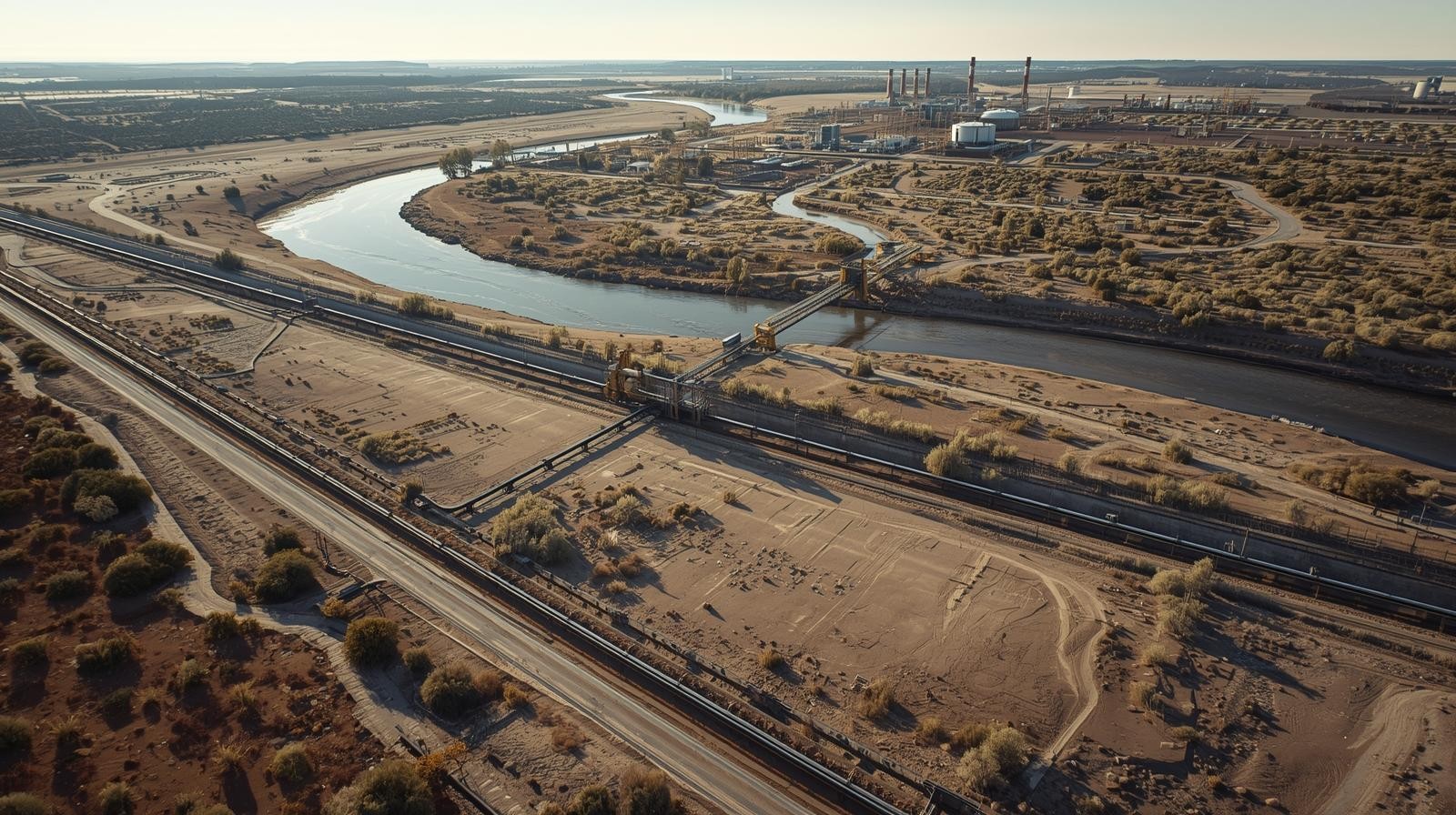
The DPx kit.
A compact, self-contained hardware system designed for rugged field deployment. Each DPx kit integrates and delivers:
3-4 weeks
Dynamic pressure sensing for high-rate acoustic detection.
Integrated edge processing and ML-based leak detection.
On-device operation with all detection and processing performed locally.
Local alarms or optional SCADA/cloud integration when connectivity is available.
The DPx kit.
The DPx kit.
A compact, self-contained hardware system designed for rugged field deployment. Each DPx kit integrates and delivers:
3-4 weeks
Dynamic pressure sensing for high-rate acoustic detection.
Integrated edge processing and ML-based leak detection.
On-device operation with all detection and processing performed locally.
Local alarms or optional SCADA/cloud integration when connectivity is available.
The DPx kit.
Fast to deploy. Flexible to operate.
The kit was designed for fast installation in remote or constrained locations.
3-4 weeks
Solar + LTE for fully autonomous operation.
Site power option for facility-mounted deployments.
Seamless integration into existing operator workflows.
Class I, Division 2 rated for rugged field environments.
Fast to deploy. Flexible to operate.
Fast to deploy. Flexible to operate.
The kit was designed for fast installation in remote or constrained locations.
3-4 weeks
Solar + LTE for fully autonomous operation.
Site power option for facility-mounted deployments.
Seamless integration into existing operator workflows.
Class I, Division 2 rated for rugged field environments.
Fast to deploy. Flexible to operate.
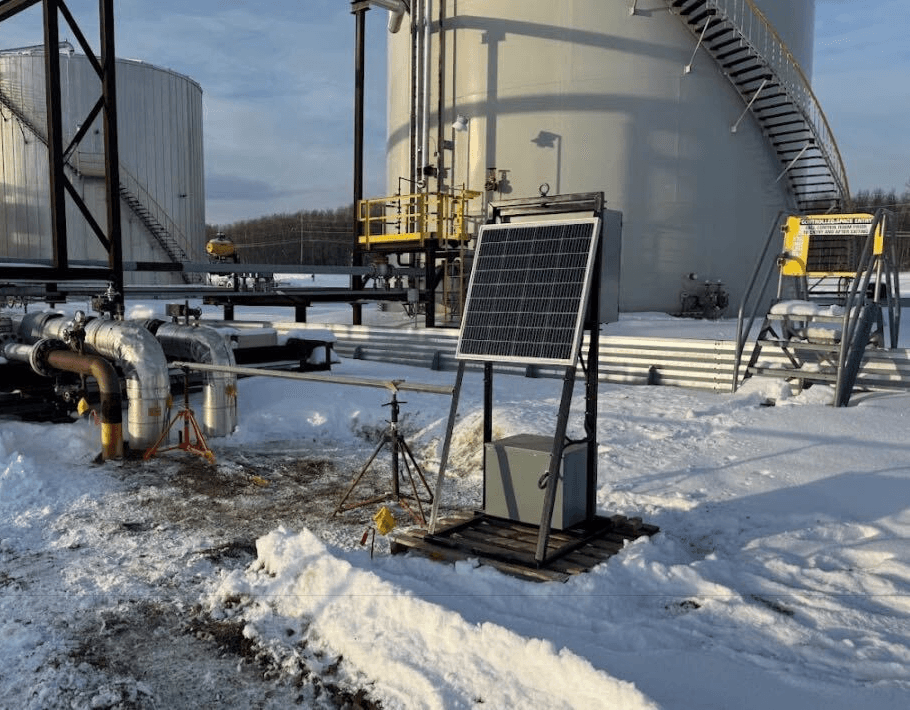
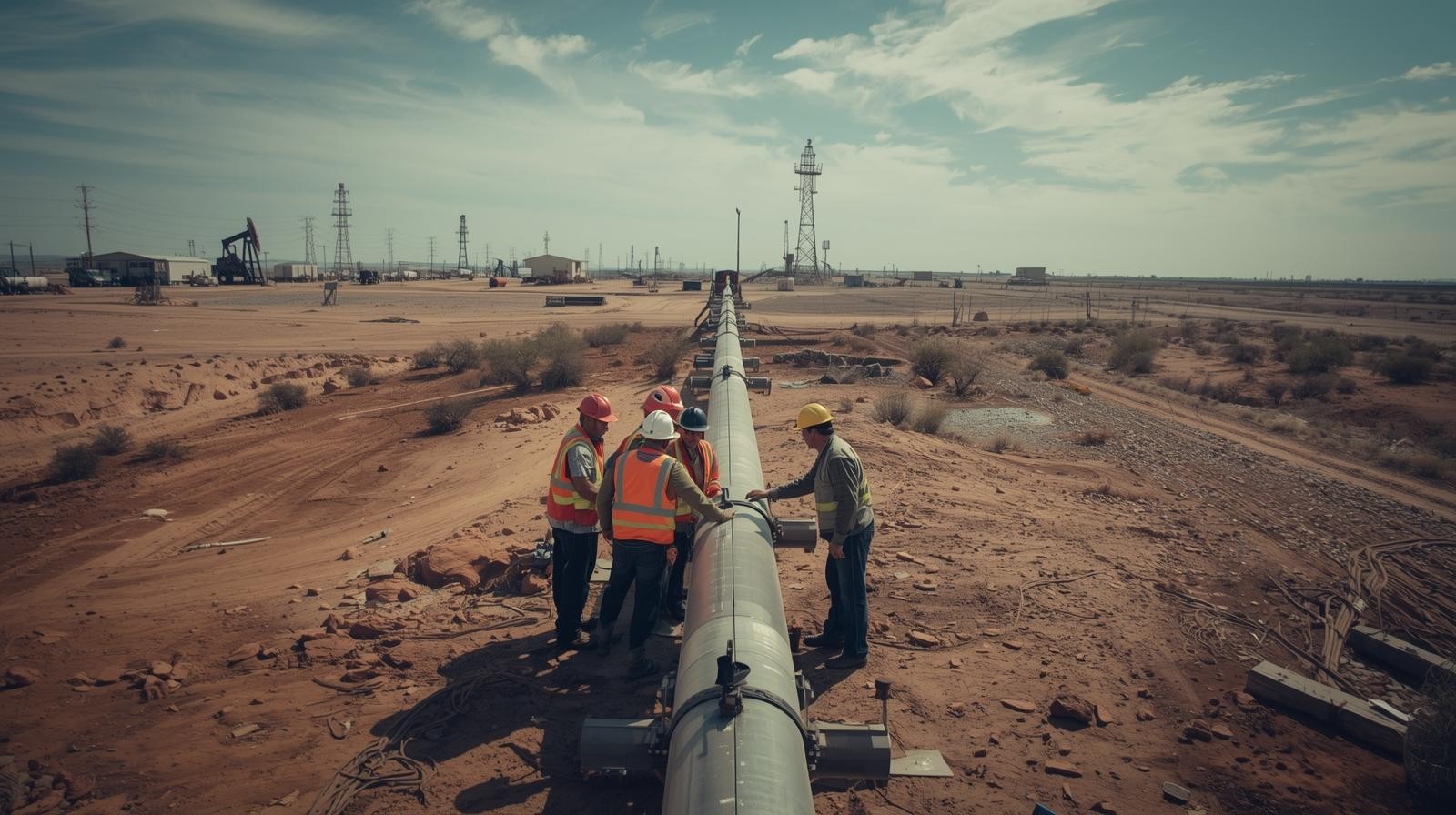
Field-ready support for every deployment.
Pipewise provides installation guidance, commissioning, tuning, system checks, and ongoing monitoring, ensuring DPx stays reliable across all conditions.
Field-ready support for every deployment.
Pipewise provides installation guidance, commissioning, tuning, system checks, and ongoing monitoring, ensuring DPx stays reliable across all conditions.
Field-ready support for every deployment.
Pipewise provides installation guidance, commissioning, tuning, system checks, and ongoing monitoring, ensuring DPx stays reliable across all conditions.

Operational assurance consulting.
From leak detection audits, compliance readiness, lateral-risk evaluation, and monitoring strategy development, Pipewise provides guidance to strengthen integrity, performance, and audit readiness.
Operational assurance consulting.
From leak detection audits, compliance readiness, lateral-risk evaluation, and monitoring strategy development, Pipewise provides guidance to strengthen integrity, performance, and audit readiness.
Operational assurance consulting.
From leak detection audits, compliance readiness, lateral-risk evaluation, and monitoring strategy development, Pipewise provides guidance to strengthen integrity, performance, and audit readiness.

What’s the real cost of leaving laterals unmonitored?
What’s the real cost of leaving laterals unmonitored?
Get a customized assessment showing how faster detection reduces spill size, remediation cost, and operational exposure on unmanned assets.
Get a customized assessment showing how faster detection reduces spill size, remediation cost, and operational exposure on unmanned assets.
FAQs
FAQs
FAQs
Here’s what you need to know about our Stubs and Laterals leak detection offering

Stubs and laterals are often short, unmetered, and remotely located, making traditional volume balance or SCADA-based detection ineffective. Installing flow meters is frequently cost-prohibitive, and intermittent operation creates noise that masks small leaks. As a result, many of these lines operate with little to no real-time leak visibility.
DPx uses high-frequency dynamic pressure sensing to capture acoustic energy generated by leaks directly from the pipeline. On-site signal processing and machine-learning classification distinguish leak signatures from background noise, enabling reliable detection without relying on flow meters or dual- ended data.
Detection sensitivity depends on operating pressure, distance, and installation conditions, but DPx is designed to identify small, developing leaks within minutes on short segments. Field trials have demonstrated high detection recall even in noisy, unmetered produced-water laterals.
DPx is designed for fast, low-impact deployment. Each unit operates autonomously using solar or site power and communicates via cellular or site networks. No trenching, SCADA integration, or continuous data streaming is required, making DPx well suited for remote or hard-to-access assets.
Acoustic detection performance can be influenced by background noise, pipeline material, and installation location. DPx mitigates these factors through on-site filtering, aggregation, and machine learning, but Pipewise evaluates each application during discovery to confirm expected performance and determine optimal sensor placement.
Stubs and laterals are often short, unmetered, and remotely located, making traditional volume balance or SCADA-based detection ineffective. Installing flow meters is frequently cost-prohibitive, and intermittent operation creates noise that masks small leaks. As a result, many of these lines operate with little to no real-time leak visibility.
DPx uses high-frequency dynamic pressure sensing to capture acoustic energy generated by leaks directly from the pipeline. On-site signal processing and machine-learning classification distinguish leak signatures from background noise, enabling reliable detection without relying on flow meters or dual- ended data.
Detection sensitivity depends on operating pressure, distance, and installation conditions, but DPx is designed to identify small, developing leaks within minutes on short segments. Field trials have demonstrated high detection recall even in noisy, unmetered produced-water laterals.
DPx is designed for fast, low-impact deployment. Each unit operates autonomously using solar or site power and communicates via cellular or site networks. No trenching, SCADA integration, or continuous data streaming is required, making DPx well suited for remote or hard-to-access assets.
Acoustic detection performance can be influenced by background noise, pipeline material, and installation location. DPx mitigates these factors through on-site filtering, aggregation, and machine learning, but Pipewise evaluates each application during discovery to confirm expected performance and determine optimal sensor placement.
Stubs and laterals are often short, unmetered, and remotely located, making traditional volume balance or SCADA-based detection ineffective. Installing flow meters is frequently cost-prohibitive, and intermittent operation creates noise that masks small leaks. As a result, many of these lines operate with little to no real-time leak visibility.
DPx uses high-frequency dynamic pressure sensing to capture acoustic energy generated by leaks directly from the pipeline. On-site signal processing and machine-learning classification distinguish leak signatures from background noise, enabling reliable detection without relying on flow meters or dual- ended data.
Detection sensitivity depends on operating pressure, distance, and installation conditions, but DPx is designed to identify small, developing leaks within minutes on short segments. Field trials have demonstrated high detection recall even in noisy, unmetered produced-water laterals.
DPx is designed for fast, low-impact deployment. Each unit operates autonomously using solar or site power and communicates via cellular or site networks. No trenching, SCADA integration, or continuous data streaming is required, making DPx well suited for remote or hard-to-access assets.
Acoustic detection performance can be influenced by background noise, pipeline material, and installation location. DPx mitigates these factors through on-site filtering, aggregation, and machine learning, but Pipewise evaluates each application during discovery to confirm expected performance and determine optimal sensor placement.
Protect the last mile of your system.
Close the last-mile detection gap across your operation. Protect your remote, unmetered assets with autonomous monitoring.
Protect the last mile of your system.
Close the last-mile detection gap across your operation. Protect your remote, unmetered assets with autonomous monitoring.
Protect the last mile of your system.
Close the last-mile detection gap across your operation. Protect your remote, unmetered assets with autonomous monitoring.